
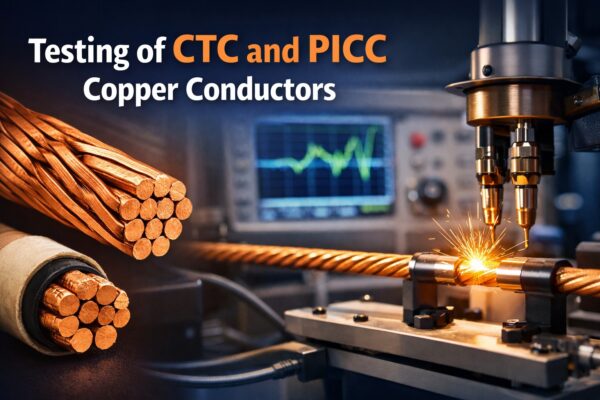
CTC aur PICC Copper Conductor ki Testing kaise hoti hai?
(IEC 60851 ke according Complete Guide)
Kya aap jaanna chahte hain ki CTC (Continuously Transposed Conductor) aur PICC (Paper Insulated Copper Conductor) ki testing kaise ki jaati hai aur in par kaun-kaun se tests hote hain?
Agar haan, to dosto, yeh article aapke liye hi hai.
Power Transformer me use hone wale CTC aur PICC copper conductors ki quality bahut critical hoti hai. Transformer ki performance, safety aur long service life kaafi had tak conductor ki testing par depend karti hai. Isi reason se in conductors’ par multiple electrical, mechanical aur thermal tests kiye jaate hain.
Is article me hum IEC 60851 standard ke according CTC aur PICC Copper Conductor Testing ko simple Hinglish language me explain kar rahe hain, taaki aapko complete aur practical understanding mil sake.
IEC 60851 ke According Hone Wale Tests
CTC aur PICC Copper Conductors par mainly following tests kiye jaate hain:
- Dimensions Test
- Electrical Resistance Test
- Elongation Test
- Springiness Test
- Flexibility and Adherence Test
- Heat Shock Test
- Cut-Through Test
- Resistance to Abrasion
- Resistance to Solvents
- Breakdown Voltage Test
- Continuity of Insulation
- Temperature Index (Type Test)
- Resistance to Refrigerants (CTC / PICC ke liye applicable nahi)
- Solderability (CTC / PICC ke liye applicable nahi)
- Heat or Solvent Bonding
- Dielectric Dissipation Factor
- Resistance to Hydrolysis and Transformer Oil
- Loss of Mass Test
- Pinhole Test
Ab in tests ko thoda detail me samajhte hain.
1. Dimensions Test
Dimensions Test CTC aur PICC conductor testing ka sabse pehla aur basic test hota hai.
Yeh test IEC 60851-2 ke according perform kiya jaata hai.
Is Test me kya-kya check hota hai?
- Conductor ki Axial Width
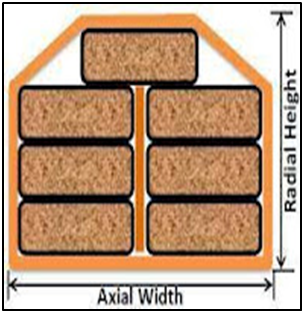
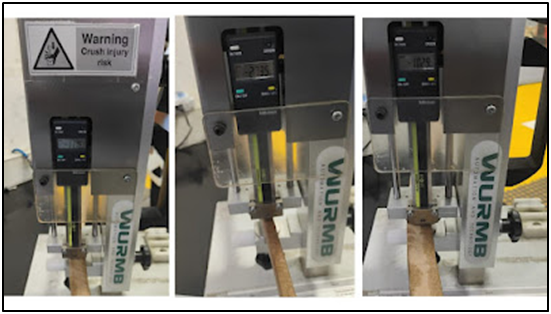
- Radial Height / Thickness
- Paper insulation ki total thickness
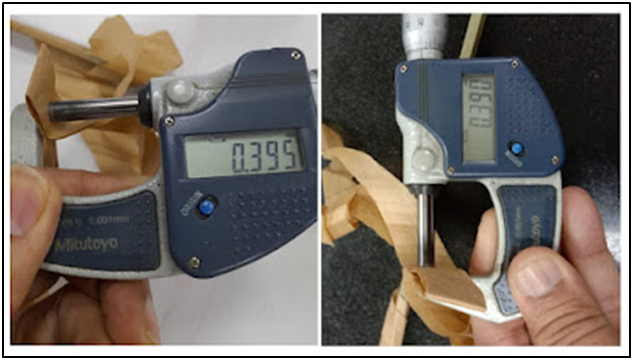
- Single copper strand ki width aur thickness
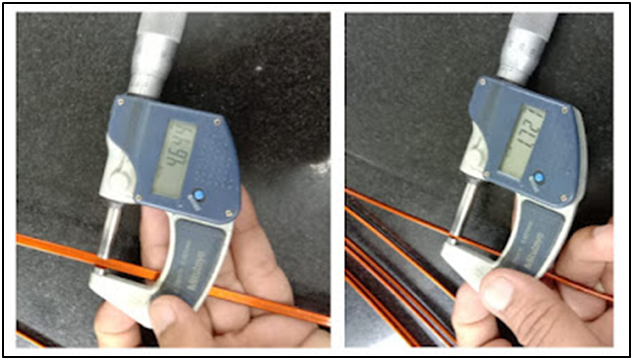
- Cover insulation paper ka staggering
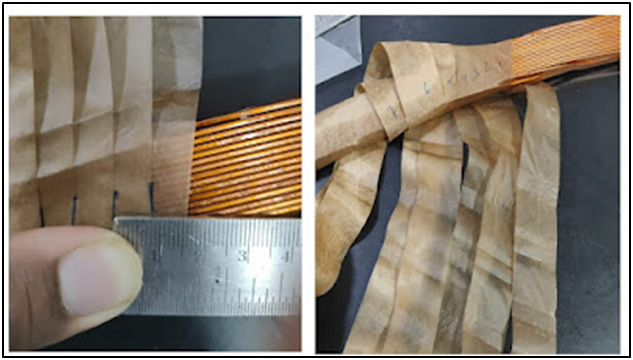
- Paper insulation layers ki quantity
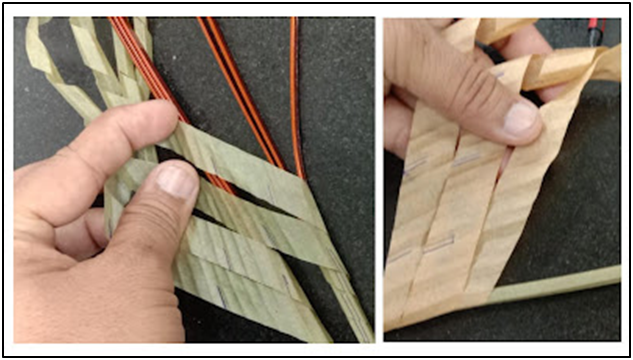
- Bunch conductor me copper strands ki sankhya
Corner Radius / Out of Roundness
Conductor ke corners smooth hone chahiye.
Kisi bhi type ke sharp ya rough edges allowed nahi hote, kyunki ye insulation ko damage kar sakte hain.
Corner radius nominal thickness ke according maintain kiya jaata hai aur isme ±25% tolerance allowed hoti hai.
Dimensions Test ka Purpose
- Proper winding aur stacking ensure karna
- Insulation damage se bachav
- Transformer assembly ke time fitting issues avoid karna
| Nominal thickness of the conductor in the corner | Radius in mm | |
| Over | Up to and including | |
| – | 1.00 | 0.5 x nominal thickness |
| 1.00 | 1.60 | 0.50 |
| 1.60 | 2.24 | 0.65 |
| 2.24 | 3.55 | 0.80 |
| 3.55 | 5.60 | 1.00 |
| 5.60 | 10.00 | 1.25 |
2. Electrical Resistance Test
Is test me conductor ka DC resistance 20°C par measure kiya jaata hai.
Test method ki accuracy 0.5% ke andar honi chahiye.
Measured resistance value us value se zyada nahi honi chahiye jo conductor ke minimum cross-section aur specified resistivity ke basis par calculate hoti hai.
Yeh test IEC 60851-5 (Test 5) ke according hota hai.
Is Test ka Importance
- Copper ki purity verify karna
- Electrical losses control me rakhna
- Transformer efficiency improves karna
Photographs of Electrical Resistance Testing
Electrical resistance or electrical resistivity test shall perform as per IEC 60851-5, Test 5
3. Elongation Test
Elongation test se yeh pata chalta hai ki conductor break hone se pehle kitna stretch ho sakta hai.
Yeh test ISO 6892-1:2016 aur IEC 60851-3 (Test 6) ke according perform kiya jaata hai.
Different conductor thickness ke liye minimum elongation values defined hoti hain.
Agar proof strength specify ho, to measured value standard tolerance ke andar honi chahiye.
| Nominal thickness of the conductor is minimum | m elongation % | |
| Over | Up to and including | |
| — | 2.50 | 30 |
| 2.50 | 5.60 | 32 |
| 5.60 | 10.00 | 35 |
When the value of nominal proof strength or plastic extension is specified, then the measured proof strength shall be within the tolerance given below:
| Proof Strength | Maximum resistivity Ω-mm²/nominal | |
| l value N-mm2 | Tolerance | |
| 80 | -0 / + 30 % | 0.0172413 |
| 120 | -0 / + 20 % | 0.0172413 |
| 150 | -0 / + 20 % | 0.0172413 |
| 180 | -0 / + 20 % | 0.017391 |
4. Springiness Test
Yeh test un conductors ke liye hota hai jinki proof strength 80 N/mm² ya usse kam hoti hai.
Is test me check kiya jaata hai ki bending ke baad conductor ka spring back 5° se zyada na ho.
Test IEC 60851-3 (Test 7) ke according hota hai.
5. Flexibility and Adherence Test
Mandrel Winding Test
Conductor ko mandrel par flatwise aur edgewise bend kiya jaata hai.
Bending ke baad enamel coating me koi crack nahi aani chahiye.
Adherence Test
Wire ko 15% tak stretch kiya jaata hai ya break hone tak.
Insulation ka loss conductor ki width se zyada nahi hona chahiye.
Test IEC 60851-3 (Test 8) ke according hota hai.
6. Heat Shock Test
Is test me conductor ko mandrel par bend karke specified temperature par rakha jaata hai.
Test ke baad insulation coating me crack nahi aani chahiye.
Yeh test IEC 60851-6 (Test 9) ke according hota hai.
7. Cut-Through Test
Cut-Through test insulation ki mechanical strength check karne ke liye hota hai.
Controlled force se insulation par cut apply kiya jaata hai aur dekha jaata hai ki insulation copper conductor ko kitni force tak protect kar paati hai.
Transformer safety ke liye yeh test bahut important hota hai.
8. Resistance to Abrasion Test
Is test me conductor ko abrasive surface ke against rotate kiya jaata hai.
Test ke baad:
- Insulation me visible damage nahi hona chahiye
- Electrical resistance aur conductivity acceptable limits me honi chahiye
9. Resistance to Solvents Test
Conductor ko specified solvent mixture me 60°C par 30 minutes tak immerse kiya jaata hai.
“H” hardness pencil se rubbing par insulation remove nahi honi chahiye.
Test IEC 60851-4 (Test 12) ke according hota hai.
10. Breakdown Voltage Test
Is test me insulation ki dielectric strength check hoti hai.
5 samples me se kam se kam 4 samples specified voltage par breakdown nahi hone chahiye.
Test IEC 60851-5 (Test 13) ke according perform hota hai.
| Grade | Minimum breakdown voltage (RMS) | |||
| Without bonding layer with | h bonding layer | |||
| 1. | 1000 | 750 | 1500 | 1000 |
| 2. | 2000 | 1500 | 2500 | 2000 |
11. Continuity of Insulation
- Inline test: 24 V DC
- Offline test: 500 V DC for 1 minute
Strands ke beech AC voltage recommend nahi kiya jaata.
12. Temperature Index (TI) Test
TI test insulation material ki thermal endurance batata hai.
Conductor ko high temperature par long duration ke liye expose kiya jaata hai aur insulation ki condition aur electrical properties check ki jaati hain.
TI value insulation ki maximum safe operating temperature ko represent karti hai.
13. Resistance to Refrigerants
👉 CTC aur PICC conductors ke liye applicable nahi hai.
14. Solderability
👉 CTC aur PICC conductors ke liye applicable nahi hai.
15. Heat aur Solvent Bonding Test
Heat aur solvent exposure ke baad insulation aur copper ke beech bonding check ki jaati hai.
Peeling, blistering ya detachment allowed nahi hota.
16. Dielectric Dissipation Factor (Tan δ)
Is test se insulation ke dielectric losses ka idea milta hai.
High Tan δ value insulation aging ya moisture problem ka indication hoti hai.
17. Resistance to Hydrolysis aur Transformer Oil
Is test se ensure kiya jaata hai ki insulation material:
- Moisture
- Humidity
- Transformer oil
ke contact me aane par degrade na ho.
18. Loss of Mass Test
High temperature ya solvent exposure ke baad insulation ka weight loss measure kiya jaata hai.
Excessive mass loss and insulation degradation show karta hai.
19. Pinhole Test
Pinhole test insulation me microscopic holes ya defects detect karne ke liye hota hai.
Ye defects future me electrical breakdown ka reason ban sakte hain, isliye yeh test kaafi important hai.
Conclusion
CTC aur PICC Copper Conductor ki testing transformer manufacturing ka ek bahut important part hai.
IEC 60851 ke according kiye gaye ye tests ensure karte hain ki conductor electrical, mechanical aur thermal stress ko safely handle kar sake.
Dosto, is article me humne CTC aur PICC Copper Conductor Testing ki complete information dene ki koshish ki hai.
Umeed hai aapko yeh post useful lagi hogi.
Power Transformer se related aur bhi technical knowledge ke liye website par visit karte rahiye aur hume apna support dete rahiye 🙏